Physical Address
304 North Cardinal St.
Dorchester Center, MA 02124
Physical Address
304 North Cardinal St.
Dorchester Center, MA 02124

Nourish Better, Live Fuller
Nourish Better, Live Fuller

Losing weight feels harder than it should. You cut rice, skip dinner, and still the scale barely moves. Sound familiar?
Here’s the truth: most Weight Loss Tips advice online doesn’t fit Indian food habits, work schedules, or family life. A keto diet plan made for someone in California rarely works for someone eating dal-chawal in Mumbai or idli-sambar in Chennai.
This guide changes that. Every tip here is practical, affordable, and built around how Indians actually eat and live. No starvation diets. No expensive supplements. Just real habits that create lasting results.
By the end of this article, you’ll know exactly what to eat, how to move, and which small daily changes lead to steady, healthy Weight Loss Tips — without giving up your favorite foods completely.

Before jumping into tips, it helps to understand what actually causesWeight Loss Tips.
Your body loses weight when it burns more calories than it consumes. This is called a calorie deficit. But calories aren’t the whole story — hormones, sleep, stress, and gut health all influence how your body stores and burns fat.
Crash diets create a deficit too fast. Your body responds by slowing metabolism and holding onto fat as a survival response. This is why most people regain weight within months of finishing a strict diet.
Sustainable weight loss happens gradually — around 0.5 to 1 kg per week is considered safe and realistic by most health experts.
Click Here: DIET Full Form

Food matters more than exercise when it comes to shedding kilos. Here’s how to eat smarter without feeling deprived.
Protein keeps you full longer and reduces cravings. Add these to your meals:
Aim for a palm-sized portion of protein in every main meal.
Skipping meals often backfires. It leads to overeating later and slows your metabolism over time. A protein-rich breakfast, like moong dal chilla or boiled eggs, keeps hunger under control through the morning.
You don’t need to give up rice or roti completely. Instead:
Use the plate method:
This simple visual trick naturally reduces calorie intake.
Drinking a glass of water 20–30 minutes before eating can reduce how much you eat. Thirst is often mistaken for hunger.
Chai with extra sugar, cold drinks, and packaged biscuits add hidden calories fast. Try:
Eating dinner at least 2–3 hours before bedtime improves digestion and supports better fat metabolism during sleep.
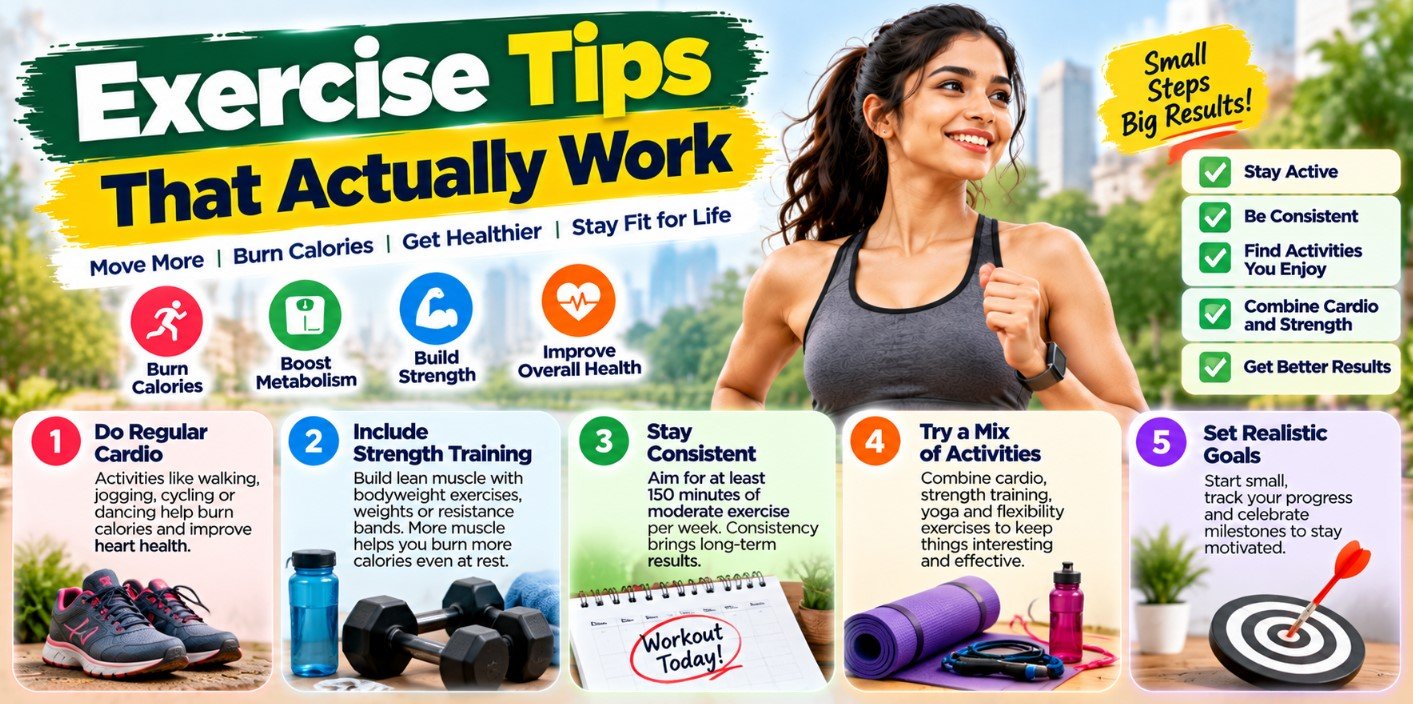
Diet alone can help you lose weight, but combining it with movement speeds up results and improves overall health.
Walking is free, low-impact, and effective. Aim for 8,000–10,000 steps daily. Break it into three 15-minute walks if a long session feels difficult.
Muscle burns more calories than fat, even at rest. You don’t need a gym membership:
Short bursts of intense activity followed by rest burn calories efficiently in less time. A 15–20 minute HIIT session, three times a week, fits into busy schedules.
Yoga asanas like Surya Namaskar, Kapalbhati, and Bhujangasana support digestion, reduce belly fat, and lower cortisol — a stress hormone linked to weight gain.
Small movements add up:

Weight loss isn’t only about food and exercise. Daily habits play a bigger role than most people realize.
Poor sleep disrupts hunger hormones (ghrelin and leptin), making you crave sugary and fatty foods. Consistent, quality sleep supports fat loss naturally.
Chronic stress raises cortisol, which encourages fat storage, especially around the belly. Simple stress management techniques include:
The number on the scale doesn’t tell the whole story. Track:
Muscle weighs more than fat, so the scale may stay steady even while you lose inches.
Weight Loss Tips is easier with accountability. Share your goals with family or join a walking group. Social support improves long-term consistency.
Click Now: Diet Coke in India

Avoiding these mistakes can save months of frustration.
| Approach | Best For | Difficulty | Sustainability |
| Calorie Deficit Diet | Beginners wanting flexibility | Moderate | High |
| Intermittent Fasting | Those comfortable with meal timing changes | Moderate | Moderate to High |
| Low-Carb Diet | People who eat excess refined carbs | Moderate to Hard | Moderate |
| Keto Diet | Fast short-term results | Hard | Low (long-term) |
| Yoga + Balanced Diet | Holistic, stress-related weight gain | Easy to Moderate | High |
Each approach can work, but the best one is the one you can maintain consistently without feeling deprived.
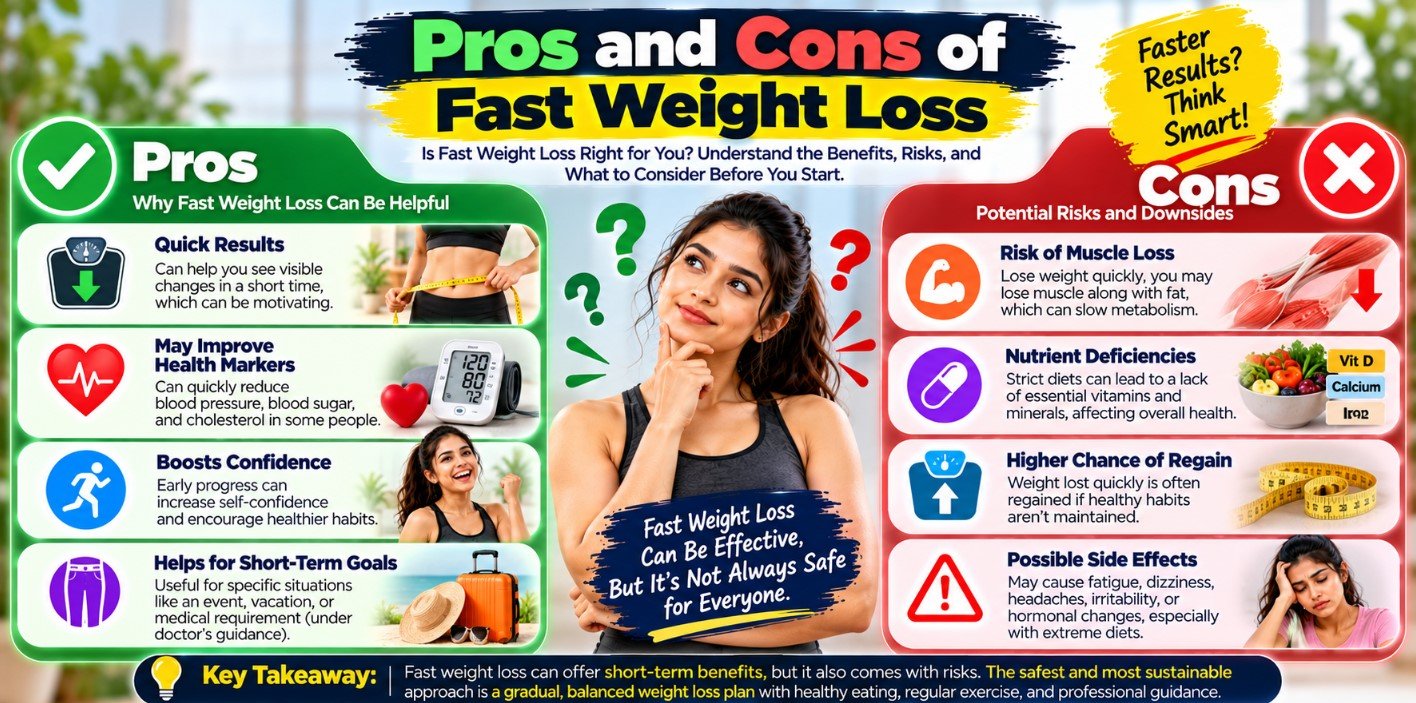
Gradual Weight Loss Tips, at 0.5–1 kg per week, remains the safer and more sustainable route for most people.
Learn More: Weight Gain Diet Plan
Walking daily, eating home-cooked meals with controlled portions, reducing sugar, and doing bodyweight exercises at home can help you lose weight effectively without a gym membership.
No, rice isn’t inherently bad. The issue is portion size and frequency. Eating a moderate portion of rice alongside vegetables and protein fits into a healthy weight loss plan.
A safe and realistic target is 2–4 kg per month, achieved through a consistent calorie deficit, regular movement, and good sleep.
Warm lemon water doesn’t burn fat directly, but it can support hydration and may help control appetite when consumed before meals.
Diet plays a bigger role than exercise for fat loss overall, but combining a calorie-controlled diet with some movement, even light walking, speeds up belly fat reduction.
Yes, intermittent fasting can work well since it doesn’t restrict specific foods, only meal timing. It often suits Indian eating patterns like skipping late-night snacking.
Dal, sprouts, curd, vegetables, millets like ragi and jowar, and lean proteins like eggs, chicken, and fish support weight loss when eaten in the right portions.
Very important. Poor sleep increases hunger hormones and cravings, making weight loss significantly harder even with a good diet and exercise routine.
No, small amounts of ghee (1–2 teaspoons daily) can be part of a healthy diet. Complete avoidance isn’t necessary; moderation matters more than elimination.
Most people notice visible changes within 4–6 weeks of consistent effort, though individual results vary based on starting weight, diet, and activity level.
Sustainable Weight Loss Tips doesn’t require extreme diets or hours at the gym. It comes from small, consistent changes: eating balanced meals, moving your body daily, sleeping well, and managing stress.
Start with one or two tips from this guide. Once they become habits, add more. Weight Loss Tips is a marathon, not a sprint — and the habits you build today will support your health for years to come.
Your next step: Pick three tips from this article and apply them starting tomorrow. Small actions, done consistently, create the biggest results.
This article is for general informational purposes only and does not replace professional medical or nutritional advice. Consult a doctor or registered dietitian before starting any new diet or exercise program, especially if you have underlying health conditions.


