Physical Address
304 North Cardinal St.
Dorchester Center, MA 02124
Physical Address
304 North Cardinal St.
Dorchester Center, MA 02124

Nourish Better, Live Fuller
Nourish Better, Live Fuller

Buying health insurance in India can feel confusing. There are dozens of insurers, hundreds of plans, and endless fine print. If you’ve searched for star health insurance, you’re probably trying to figure out one simple thing: is this company reliable enough to trust with your family’s medical bills?
This guide breaks down everything you need to know — plans, premiums, claim settlement performance, hospital network, and real pros and cons — in plain language. No jargon, no sales pitch. Just what you need to make an informed decision.

Star Health and Allied Insurance Company Limited is India’s first standalone health insurer, founded in 2006 and headquartered in Chennai. Unlike general insurers that sell health cover alongside motor and travel policies, Star Health focuses only on health, personal accident, and travel insurance.
This specialization matters. Because health insurance is Star Health’s core business rather than a side product, the company has built one of the largest dedicated claims teams in the industry and processes most claims in-house, without a third-party administrator (TPA). That structure can mean faster pre-authorization for planned hospitalization, since there’s no external agency slowing down approvals.
Star Health is publicly listed on the Indian stock exchanges and regulated by the Insurance Regulatory and Development Authority of India (IRDAI). It serves individuals, families, senior citizens, and corporate groups through a network that industry sources put at roughly 13,000 to 14,000 hospitals across the country, with particularly strong coverage in Tier-2 and Tier-3 cities where many insurers have thin networks.
One recent development worth knowing: since September 22, 2025, the Indian government removed the 18% GST that used to apply to individual health insurance premiums. This applies across insurers, including Star Health, and has made retail health cover noticeably more affordable.
Click Here: Weight Gain Diet Plan

Star Health offers a wide product range, but a handful of plans account for most policy purchases. Here’s a practical breakdown.
This is Star Health’s flagship family floater plan. A single sum insured covers you, your spouse, up to three dependent children, and parents or parents-in-law.
Positioned as a step above Family Health Optima, this plan adds more built-in benefits without needing separate add-ons.
Designed specifically for people aged 60 to 75 at entry, this plan stands out because it has no mandatory pre-policy medical checkup and a comparatively short 12-month waiting period for pre-existing diseases — shorter than the industry norm of 24 to 48 months.
A budget-friendly option aimed at rural and low-income households, offering essential hospitalization cover at a much lower premium point.
These condition-specific plans cover people who already have diabetes or heart-related risk factors — groups that standard plans often reject or heavily load with extra premium.

Your premium isn’t a fixed number. It depends on several factors working together:
As a rough guide, a healthy 30-year-old buying ₹10 lakh of individual cover from Star Health typically pays a premium in the low-to-mid thousands annually, while a family floater covering a couple in their 40s with two children costs proportionally more. Always get a live quote from the official website or a licensed advisor, since premiums are revised periodically.
This is where most buyers focus their research, and rightly so. The Claim Settlement Ratio (CSR) shows what percentage of claims an insurer settles out of the total claims it receives, including those carried over from the previous year.
Based on public IRDAI disclosures and insurer data:
Here’s the nuance that most comparison sites skip: a CSR in the high 80s doesn’t mean your specific claim has an 88% chance of being paid. It reflects company-wide performance across all types of claims, including disputed ones and claims rejected for incomplete documentation. The leading cause of claim rejection industry-wide is non-disclosure of pre-existing conditions at the time of purchase — a risk that’s entirely within your control.
If claim reliability is your top priority, treat the CSR as one input among several, alongside network hospital access, in-house claims processing speed, and independent customer reviews — not as the single deciding factor.
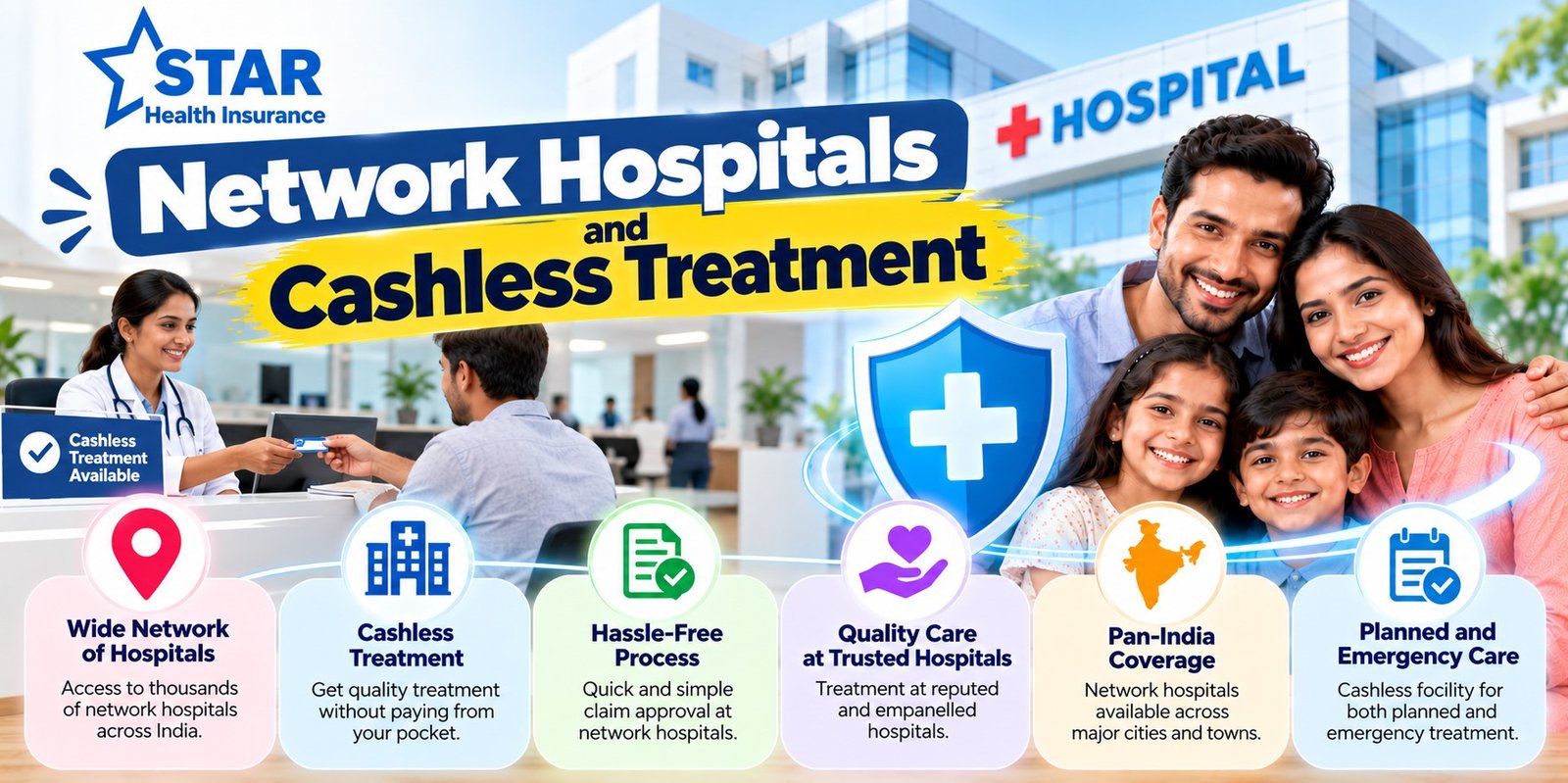
Star Health’s network of roughly 13,000–14,000 hospitals is one of its biggest selling points, especially outside major metros. A large rural and semi-urban footprint means policyholders in smaller towns are less likely to need reimbursement claims, which are slower and require more paperwork than cashless treatment.
For cashless hospitalization:
If you’re treated outside the network, you’ll need to pay upfront and file for reimbursement, which takes longer and requires original bills, discharge summaries, and diagnostic reports.
Click Now: DASH Diet Full Form
| Feature | Star Health | Care Health Insurance | Niva Bupa |
| Founded | 2006 | 2012 | 2008 |
| Network hospitals | ~13,000–14,000 | ~10,000+ | ~10,000+ |
| Claims model | In-house | In-house | In-house |
| CSR (recent FY, approx.) | 88–90% | Varies by year | Varies by year |
| Senior citizen focus | Strong (Red Carpet plan) | Available | Available |
| Rural presence | Strong | Moderate | Moderate |
| Best suited for | Tier-2/3 buyers, seniors, families | Higher sum insured seekers | Metro-based digital-first buyers |
Note: CSR and network figures change every financial year. Always verify current numbers on the IRDAI website or the insurer’s public disclosure before purchasing.
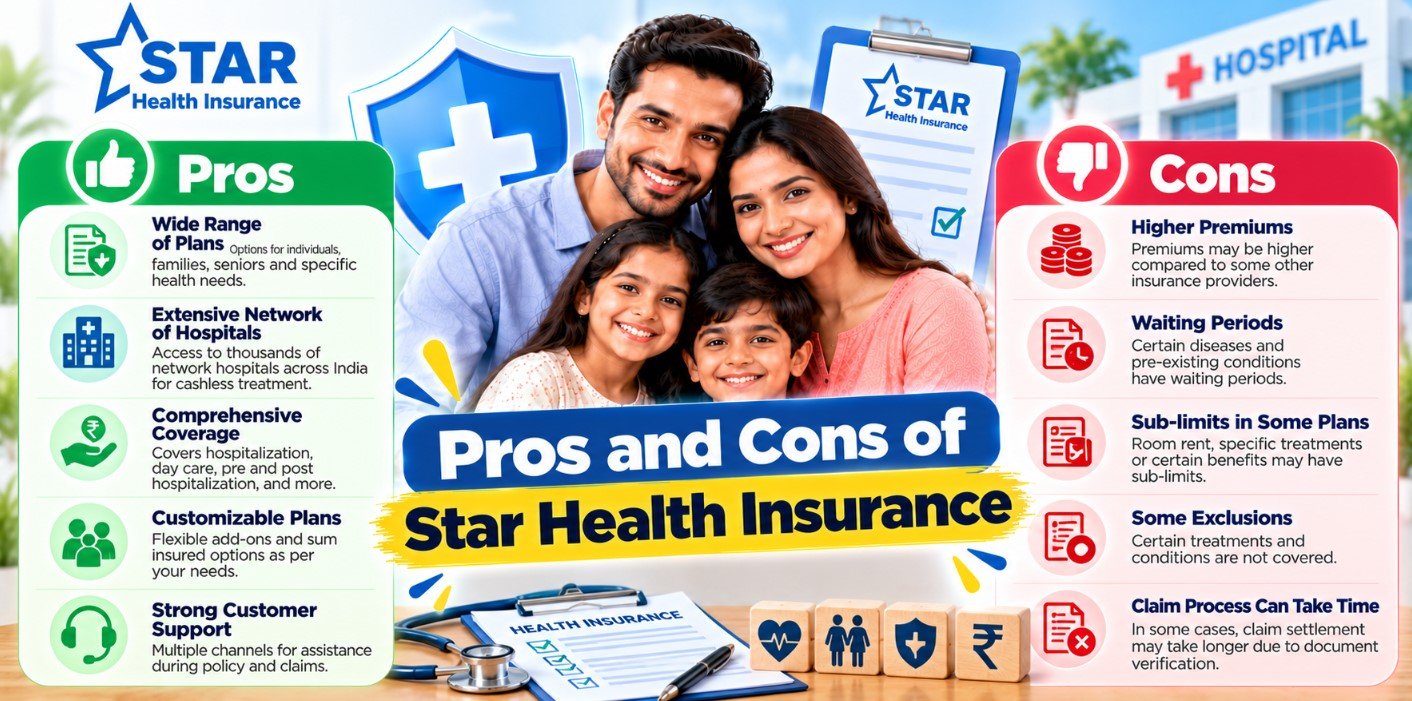

Before buying any plan, compare at least two or three quotes, read the policy wording for room rent limits and sub-limits, and check the latest CSR figures directly on irdai.gov.in, since these numbers are updated annually.
Learn More: Diet Coke in India
Yes, particularly the Senior Citizens Red Carpet plan, which doesn’t require a pre-policy medical checkup and has a shorter pre-existing disease waiting period than most competitors. Be aware that co-payment clauses may apply.
Recent public disclosures put it in the 88% to 90% range for the latest financial year, with a three-year average closer to 85%, slightly below the standalone health insurer industry average.
Approximately 13,000 to 14,000 hospitals across India, based on recent company disclosures, with particularly strong coverage in smaller cities and towns.
Yes, after a standard waiting period, typically 36 months from policy inception. This can be reduced to 12 months with an optional PED buyback add-on at extra premium.
No. Since September 22, 2025, the Indian government removed GST on individual health insurance premiums, which applies to Star Health policies as well.
Yes, policies can be purchased directly through the official Star Health website, mobile app, or through IRDAI-registered brokers and comparison platforms.
Several plans, including Family Health Optima, apply a 20% co-payment for members aged 61 and above, meaning you pay that share of the claim amount out of pocket.
Company data suggests a large share of approved cashless claims are settled within a few hours of hospital submission, though this varies by case complexity and documentation.
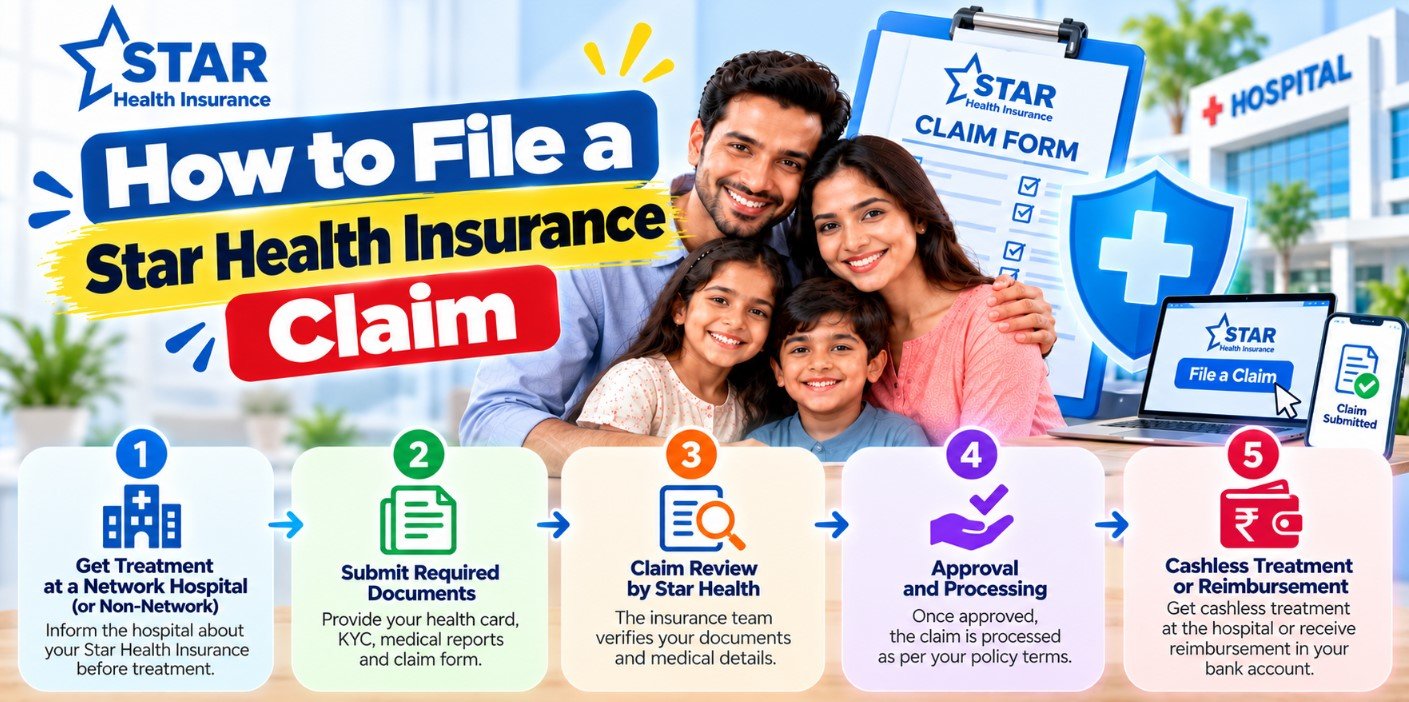
Original hospital bills, discharge summary, diagnostic reports, prescription copies, and a filled claim form, generally submitted within 15–30 days of discharge.
No single insurer is universally “better.” Star Health leads on rural and Tier-2/3 hospital network size and senior-focused plans, while competitors may offer higher recent CSR figures or different premium structures. Compare based on your specific city, age group, and health history.
Star Health Insurance remains one of India’s most recognized standalone health insurers, built on a large hospital network and specialized plans for seniors and high-risk patients. Its claim settlement ratio, while solid, isn’t the highest in the industry, so it’s worth weighing alongside network access, co-payment terms, and your own health profile before you decide.
The right approach is straightforward: compare two or three insurers side by side, read the actual policy wording rather than the marketing summary, disclose your medical history honestly, and check the latest CSR data on IRDAI’s website before you commit. That combination will serve you far better than chasing a single headline number.
Disclaimer: Premiums, claim settlement ratios, and plan features change with each financial year. Figures in this article reflect publicly available data as of 2026 and should be verified on starhealth.in or irdai.gov.in before purchase. This article is for informational purposes only and does not constitute financial or insurance advice.


